
Работы канадского дизайнера интерьеров Sarah Richardson

Сара Ричардсон известная во всем мире дизайнерская и телевизионная личность, превращает обычные пространства в достойные журнала комнаты вместе с Томми Смайт, который известен своим тонким чувством стиля.Томми работает вместе с Сарой Ричардсон в качестве неотъемлемого члена своей дизайнерской команды уже более 10 лет.
Сара родилась 22 октября в Торонто, в 1971 году. Свою карьеру она начала в 1994 году в качестве помощника стилиста. После стала работать телеведущей в программах, посвященных дизайну.
Ее отец преподавал в городском университете историю искусства и архитектуры, а мать работала над проектированием старого города. Благодаря своему врожденному обаянию и неповторимому дизайнерскому стилю Сара очень быстро стала популярной. На данный момент пользуется большим спросом, как телеведущая. Сара замужем, у нее две дочки.
Сара известна своим оптимистичным подходом к созданию элегантных дизайнов интерьеров, она вдохновляет и расширяет возможности зрителей, легко делится советами. Ее способность привлекать и вдохновлять зрителей заработала преданных поклонников во всем мире.
Сейчас идет по телеканалу Бобер передача под названием «Сделка на переделку». В этой передаче Сара покупает некую недвижимость, вкладывает в нее деньги на ремонт и обустройство и затем продает дороже.
Вот несколько фотографий дизайна Сары Ричардсон. Наслаждайтесь! Это действительно вдохновляет.

У стола и стула ножки изумительные.
Волшебная мебель, изголовья у кровати вообще всегда роскошными получаются.
Мастер-виньетки Томми Смита


Томми собирает множество интересных предметов, эфемера и антиквариата, которые искусно представлены в его квартире. Банальные объекты, такие как спичечные или карандаши (собранные из его международных путешествий), объединены в сосуды, доступные и практичные, а также скульптурные и декоративные.
Вдохновение: Эстетически, я хотел пойти в противоположную сторону моей предыдущей (очень маленькой) квартиры, которая характеризовалась темной мебелью, акцентами и стенами. У меня никогда не было белой гостиной, и я безуспешно пытался убедить клиентов следовать этой идее. Когда я переехал в эту квартиру (с 11 удивительными 6-дюймовыми окнами), это казалось просто очевидным местом, чтобы наконец реализовать эту идею.
Любимый элемент: хотя я собираю множество вещей и люблю антиквариат, я очень сентиментален по поводу семейных реликвий. Высокое позолоченное французское зеркало принадлежало моей бабушке, сама декоратором (и коллекционером). В течение ее жизни у нее было несколько грандиозных резиденций, каждый из которых являлся примером повторного изобретения и всегда украшался под ее руководством. Когда она начала перечислять, как она хотела, чтобы ее самые драгоценные предметы были распределены среди ее семьи, она сказала мне: «Очевидно, высокое французское зеркало пойдет к Томми». Ясно!
Самая большая проблема: пространственное расположение квартиры было проблемой, поскольку спальня была очень маленькой, а гостиная была большой и неловко сформированной. У меня есть сильное предпочтение симметрии, и необычная компоновка квартиры сопротивлялась тому, что было сосредоточено. Кроме того, поскольку это была арендная плата, были элементы, которые я должен был скрывать или преуменьшать (вместо того, чтобы вырывать их и заменять), особенно паркетный пол. Я использовал большой смелый графический полосатый коврик, и глаз сразу фокусируется на этом.
Что говорят друзьям: Пожалуйста, дайте мне знать, когда вы выходите! У меня буквально был список ожидания для этой квартиры, поскольку все были влюблены в гигантские окна.
Самое большое смущение: кухня хозяйки находится прямо над спальней. В попытке уменьшить звук, она применила перфорированный потолок из пенополистирола в спальне.
Лучший совет: Джон Мануэль был одним из моих наставников. Он сказал мне, что каждый раз, когда вы получаете зарплату, всегда покупайте одну книгу. Сегодня у меня есть серьезная художественная и дизайнерская библиотека из более чем 1000 наименований, которые мне нравятся и лелеют в его памяти.
( ПРИМЕЧАНИЕ: Джон Мануэль был известным канадским дизайнером интерьера. В 1950-х годах он работал в Brunschwig et Fils и создал ткань «Les Touches». Томми использовал ее на парах крыльцовых стульев в своей гостиной. «Les Touches» по-прежнему сделанный сегодня и остается одним из самых продаваемых принтов компании.)
Источники мечты: Маллет (Нью-Йорк и Лондон) и Хоббс (Лондон)

Ресурсы Примечание:
КРАСКА И ЦВЕТЫ
- • Желтый стол: Farrow & Ball, Babouche (223)
• Цвет обрезки: Farrow & Ball, Old White (4)
• Гостиная: цвет стен: Farrow & Ball, Pointing (2003)
• Столовая: Farrow & Ball, Pigeon (25)

ГОСТИННАЯ
- • Желтый стол: Элегантная гаражная распродажа, написанная в Бабуше (223) от Farrow & Ball
• Полосатый коврик Мэдлин Вайнбриб, от Y & Co.
• Картина: Майкл Адамсон, представленный галереей Мура
• Табуреты, рожки, дрова, стол и журнальный столик от ChairTableLamp
• Ткань на стульях на крыльях: «Les Touches» от Brunschwig & Fils
• Диван «Николас» и низкорамные стулья «Томаса»: Сара Ричардсон Дизайн
• Цвет стен: Farrow & Ball, Pointing (2003)
• Цвет обрезки: Farrow & Ball, Old White (4)

СТОЛОВАЯ
- • Трио стульев Тонет: рынок лондонского антикварного искусства Св. Лаврентия, Торонто
• Зеркало (в круглой рамке): Adenac Glass
• Столовая лампа: Декоративные накладки Decorum
• Цвет стен: Фарроу и мяч, Голубь (25)
• Цвета обрезки: Farrow & Ball, Pointing (2003) и Old White (4)

СПАЛЬНАЯ КОМНАТА
- • Зеркало, желтый стул от ChairTableLamp
• Подушка для постели и бровей: L’Atelier
• Подушка: Шумахер
• Цвет стены: Фарроу и мяч, Голубь (25) • Цвет обрезки: Фарроу и мяч, Указание (2003)
Изображения: любезность Майкла Грейдона
• АРХИВ ТУРА ДОМА
• Хотите поделиться своим домом с терапией? Обратитесь к редакторам через нашу форму представления тура на дом.
• Вы дизайнер / архитектор / декоратор, заинтересованные в совместном жилом проекте с читателями The Apartment Therapy? Обратитесь к редакторам через нашу Профессиональную форму подачи.
Работы канадского дизайнера интерьеров Sarah Richardson
Сара Ричардсон известная во всем мире дизайнерская и телевизионная личность, превращает обычные пространства в достойные журнала комнаты вместе с Томми Смайт, который известен своим тонким чувством стиля.Томми работает вместе с Сарой Ричардсон в качестве неотъемлемого члена своей дизайнерской команды уже более 10 лет.
Сара родилась 22 октября в Торонто, в 1971 году. Свою карьеру она начала в 1994 году в качестве помощника стилиста. После стала работать телеведущей в программах, посвященных дизайну.
Ее отец преподавал в городском университете историю искусства и архитектуры, а мать работала над проектированием старого города. Благодаря своему врожденному обаянию и неповторимому дизайнерскому стилю Сара очень быстро стала популярной. На данный момент пользуется большим спросом, как телеведущая. Сара замужем, у нее две дочки.
Сара известна своим оптимистичным подходом к созданию элегантных дизайнов интерьеров, она вдохновляет и расширяет возможности зрителей, легко делится советами. Ее способность привлекать и вдохновлять зрителей заработала преданных поклонников во всем мире.
Вот несколько фотографий дизайна Сары Ричардсон. Наслаждайтесь! Это действительно вдохновляет.


У стола и стула ножки изумительные.


Волшебная мебель, изголовья у кровати вообще всегда роскошными получаются.
Пользователи Сети высмеяли съёмную квартиру в Москве, когда узнали, кто придумал этот интерьер
Недавно в Facebook-группе Flats for friends, где пользователи соцсети ищут и сдают жильё в Москве, появился пост, который тут же привлёк внимание тысяч человек, причём и за пределами группы.
В посте девушка-автор рассказала, что сдаёт квартиру после того, как её предыдущий жилец уехал к себе на родину. Жилплощадь по-настоящему впечатляющая: две спальни, два санузла, огромная кухня и даже терраса, «на которой приятно пить чай и любоваться закатом».
Но все эти преимущества нивелируются одним моментом. Стоит посмотреть на фотографии дизайна интерьера — и остаётся только надеяться, что из глаз не пойдёт кровь. По крайней мере, так посчитали другие участники группы.
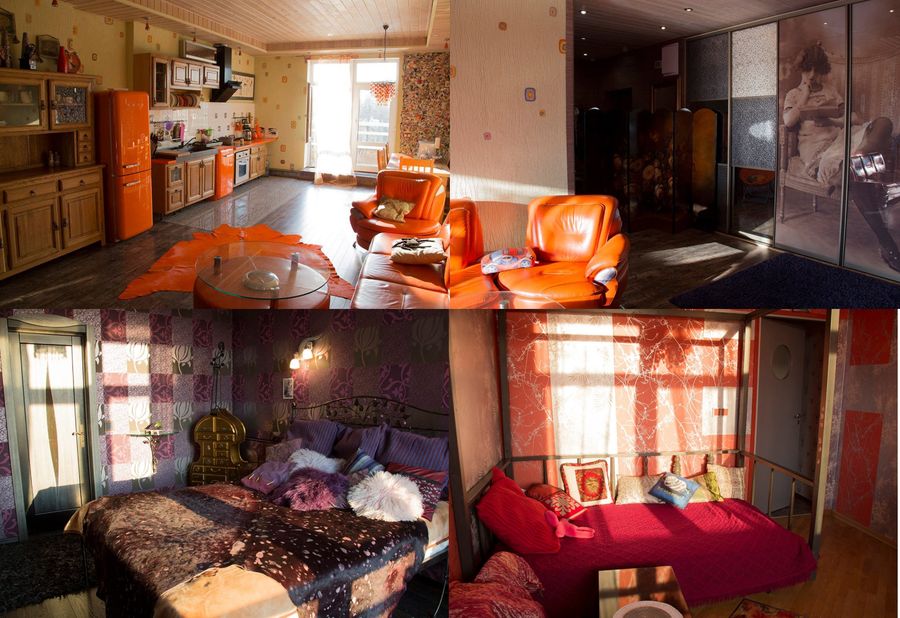
Вскоре пост стал вирусным. Он набрал порядка полутора тысяч комментариев, что для закрытого сообщества весьма немало. Возможно, объявление и не стало бы таким популярным, если бы не одно но. В тексте девушка написала, что весь дизайн она придумала сама, и с гордостью заметила: «Пригодился мой диплом дизайнера интерьеров».
Вскоре скриншотами публикации поделился блогер A_Kapustin в своём Twitter-аккаунте, придав ситуации ещё большую огласку.
Сегодня мы выяснили, что даже диплом дизайнера интерьеров и квартира за 100+ миллионов рублей не могут развить человеку вкус
Inside «Great Canadian Homes» with Interior Designer Tommy Smythe

Tommy Smythe, the host of HGTV’s new documentary Great Canadian Homes, discusses visiting Alexander Graham Bell’s ultra-private residence, the spiritual experience of stepping inside the mathematics-inspired Integral House, and how the movie Flashdance inspired a major home trend.

Amber C. Snider: Do you have a favorite featured home in the documentary?
Tommy Smythe: It’s so tough because they all offer something so different. For me, there wasn’t necessarily a favorite home, but I definitely had favorite moments. One of the great privileges of doing this documentary was that we got access to homes that have never before been seen on TV. So if I have to pinpoint a favorite experience, it might have been the fact that we were allowed to be in the Alexander Graham Bell home.
ACS: You pointed out in the documentary that the Bell family is very private, but I thought you did a great job of respecting that. I also loved how you showed the different homes in this kind of linear, historical narrative.
TS: Yes, the family – the heirs of Bell – had never allowed anybody inside the house, so it was a special experience. There was a guest book in there that was signed by Helen Keller and precious artifacts and things that had never before been seen, which the public isn’t generally given access to, so it was pretty cool.

ACS: There were a lot of yellow and white tones in the décor and walls, particularly with the mid-century homes, and very little “statement” colors. Do you think this is particular to Canadian design trends, or the fact that these are historical homes?
TS: The idea that these are period and historical buildings [definitely] informs the décor. If people are doing a great job at decorating – and certainly the places that we visited were really interesting in this way – they’re decorating to the period and style of the house, or at least a nod to it. Not necessarily [like] a museum.
There were homes that we visited [for the documentary] that were relatively untouched since they were built. But then there were some that were lived in and honored [the style or period] by using furnishings that are contemporary, while still using cues and architectural elements that were restored and that reflected the period.

ACS: And people actually live in these homes, which makes them so different from museums…
TS: Yes, these are homes that are lived in by real Canadian people, so the houses invariably have the personalities of the families in them. They were furnished with choices that were made by the real people who live there. One of the mid-century modern houses that we visited that was designed by [Eberhard] Zeidler was filled with artifacts. Even the kitchen appliances were [period-specific appliances].
ACS: Yes, was that the kitchen that you remarked resembled a scientific laboratory?
TS: Yes, and that was really a nod to the era. Everything in that time when the house was built, in the late 1950s, was about “what’s the newest thing I could have?” Nobody wanted antiques at the time. Homeowners wanted modern conveniences, and whatever was the most interesting advanced product. It was about new experience because it was a prosperous time, and so the houses reflected that.

ACS: Interesting. When you were showing the Hugo Eppich home, which was designed by Arthur Erickson, it seemed a bit cold and uninviting with all the steel. It seemed so different from, let’s say, his Evergreen Building. I wondered, is this the kind of home one would want to live in today? What are your feelings on the liveability of that space?
TS: The interesting thing is that the Eppich home is not only reflective of the style and taste level of the architect, the style also imitates the style of the homeowner who commissioned that home from Erickson. It’s also reflective of its era. So think “Miami Vice in Vancouver.” It’s like the “Vancouver Vice House.”
It was really a time when people were not just looking at cultural cues, but also [thinking], “What can we do in order to get a house that is reflective of who we are?” It’s called the Eppich House because [the original owner] Mr. Eppich owned a company that made steel. He was able to work with the architect, and he had a special ability to provide the architect with materials that Erickson had never really been able to work with or use before.

ACS: One of the cool things about the documentary is that it explores a variety of homes from different time periods, starting with Queen Anne architecture. It really is an historical celebration of Canadian design, and it was interesting to learn about the preservation involved.
TS: The reason we did this [documentary] is because it’s the 150th anniversary of Confederation. The idea was to try to get a little of all of us in there, for everybody. Certainly there were houses that I wouldn’t live in, but I did love visiting them because they told a story about the people who lived there. It’s like going to your friends’ place or your parents’ place and thinking, “I would never decorate this way, but I love it because it’s so reflective of [the people].”
ACS: I love that you commented that one of the homes was like walking into a literal time capsule. There’s a real integrity in that, that goes beyond aesthetics.
TS: Oh, yes, it takes guts to really commit to that period look and maintain it through the years. I love that. The Erickson house stood out because it was one of the homes that was so fully realized by the architect, in the sense that most of the interior furnishings were actually designed by the architect – it was a complete, pure vision. There’s a grand tradition of architects doing that.

ACS: Even down to the details, like the custom steel place mats
TS: Yes, wasn’t that crazy? Eppich was a steel manufacturer, so Erickson was like, “What about place mats?” It just sounds like so much fun to me. And there’s a sense of that in the house – it’s in the fabric of the structure itself. Whether it’s to your taste or not is kind of beside the point, because you walk in and you’re like, “I get this.”
ACS: Along those lines, I’m so fascinated by the Integral House. It’s just this breathtaking work of art. What was it like walking into that house?
TS: It was like going to architecture and design church. It really was. There was a sense of really sacred honor in that house that also felt completely comfortable. It wasn’t that intimidation church factor, it was more the spiritual element. Where you walk in and you’re like, “O.K., I feel like I’m being drawn into the story of the building, even before you know the story.”
And then, when the story is being told and starts to unfold, you start to recognize all the cues that are around you built into the building. And you [realize], “Wow, this is a really special project.”

ACS: Can you talk a little bit about the history of Integral House?
TS: James Stewart was the builder and the original owner who commissioned that house from Shim-Sutcliffe Architects. [Stewart] was a mathematician, a best-selling author in Canadian history, which is interesting because he wrote textbooks! You wouldn’t think [that a best-selling author would be known] for writing textbooks about Calculus and sold worldwide. But he was also a concert violinist, so the house speaks to you immediately of music and math.
ACS: Describe your experience of it.
TS: I can’t even describe to you what a “wow” factor that house is. It [was] one of the most moving experiences – which is why I’m using words like “church” and “spirituality” – that I’ve ever had in a private residence.
To me, the ultimate goal of all of us should be that our houses are reflective of who we are. If your house tells your story, then you’ve done a good job. And that assignment defies taste, it defies visual aesthetics, period and style – it’s really all about telling a story. And this house tells James Stewart’s story so brilliantly and beautifully that it was literally emotional.

ACS: I’m so fascinated by this bridge between mathematics and art, especially the way certain architects can implement so much control within a creative, confined space. Your experience of that building must have been spiritual.
TS: Yes, and it revealed itself that way too. People describe having a spiritual experience as having it be revelatory, and it is revelatory when you walk into the house.
It doesn’t have a grand entrance; it has kind of a tight compact entrance and that’s intentional. You walk in and you’re confronted by a wall and bench and some artwork, and then you make an abrupt left turn. But as soon as you make that turn you look straight ahead and see these incredible blades on the interiors of the windows and the tree canopy, and you realize, “Oh my gosh, this house goes all the way into the ravine.” You realize that you’re in a five-story house going down, rather than up the tree canopy.
It’s bizarre, and it’s magical, and it’s wonderful.
ACS: Amazing. It’s so great that you guys got to actually film this for everyone to see, as well.
TS: Yes. James Stewart was a philanthropist. He would have parties there and raise funds for musical charities and medical charities, so invitation-only functions would happen in the house all the time.

ACS: But what about the new owners?
TS: We don’t know if the new owners are going to carry on that tradition or not. So the stakes [were quite high] to film there and we wanted to do it justice. We were the last film crew to shoot there.
TS: I know, it was low! [laughs]
ACS: What do you think the next wave is for conversion homes? Not necessarily restorations, but just any trends for converting unusual spaces into something livable and inhabitable.
TS: I don’t know, it’s hard to say. I feel like that whole trend really started with the movie Flashdance. Remember when [Jennifer Beals] was in that loft space and then everyone wanted to live in a loft?

ACS: Yes! The warehouse space…
TS: Exactly. And loft-living really grew out of that popular culture phenomenon that went back to the movies. Obviously people have lived in lofts before, but [after that movie, it] all of a sudden became this thing. And then churches became a thing. There are at least three dozen different residential churches in the city of Toronto alone. But as far as what’s next, I don’t know. Because of urban sprawl and urban density, we’re kind of using up all of our old buildings.
So going back to the school, this was actually a mid-century school. It wasn’t a Victorian school house, which you see a lot of in the country. But I’ve never seen such a gigantic single-level classic primary school turned into a private residence.

ACS: I’ve never seen anything like it either. It’s definitely not for everyone, but watching it on screen it felt very familiar, because everyone can relate to that kind of space, but I’m just not sure of the livability of it…but, it seems to work for the family.
TS: [laughs] I watched [the documentary] with a friend of mine and when we got to the school, he said, “You know, I used to get beat up in a bathroom just like that. I don’t think I could live there.”
ACS: It would be a very complicated relationship with that space if you didn’t like school growing up.
TS: Your relationship with a school building has to be pretty decent before you can actually say, “O.K., I can live here.”

ACS: This documentary is really about human beings living in real homes that exist today. Is there any chance for a series?
TS: Hopefully! At HGTV, we’re kind of all about the journey. It’s a renovation, it’s a construction project, it’s a real-estate transaction. We don’t really meet people who actually live in these homes on that channel. [In this show, we’re interested in] what happens after the journey, what happens when the renovation is finished. How are we living in these homes ten years later? And why do we love it? Those are stories that I think are interesting. So, we’ll see! Fingers crossed.
GCH was produced by HeartHat Entertainment, with Executive Producer Carolyn Meland. The documentary premieres June 18 2017 on HGTV.


